EUSA PR Featured in BBC: Navigating the Transatlantic Divide
Johan Konst of EUSA PR in BBC: Why Europe Is Looking at the US Differently
On 7 April 2026, EUSA PR founder Johan Konst appeared in a BBC Travel feature. The subject: why European travellers — including business professionals — are reconsidering trips to the United States.
The BBC article explores the broader climate around US travel: hours-long queues at airports, the presence of ICE agents at the gate, rapidly shifting visa rules and a wave of anti-American sentiment driven by recent policy decisions in Washington.
👉 Read the full BBC article here
What Johan said
Johan typically flies to the US three or four times a year for conferences and client and media meetings. He told the BBC how the current climate is changing that calculation — not just for tourists, but for European professionals with real business ties across the Atlantic.
"The current situation seems to treat Europe more as an opponent than an ally, whether it's the tariffs, the NATO rhetoric or the broader tone towards European countries. That shift in dynamic is what makes you feel less welcome, even if no individual American has ever made me feel that way in person."
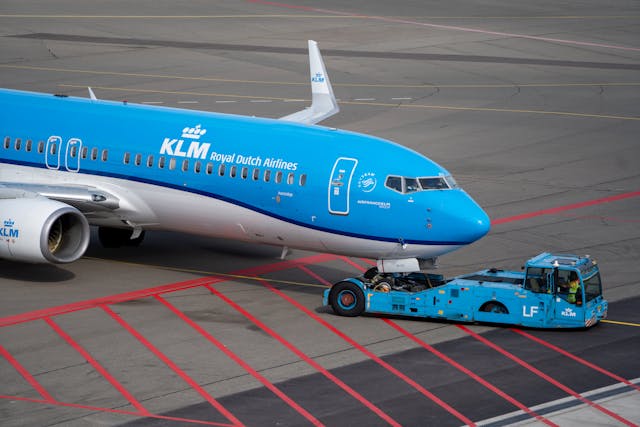
The shift in perception has also changed his behaviour in concrete ways: "I now find myself weighing which trips are truly necessary and which aren't. I'm more selective than before." He also noted something telling on the supply side: flights from Amsterdam to the US have been noticeably emptier in recent months. "I have had an empty row to myself multiple times in a row."
What this means for transatlantic communications
The BBC feature touches on something EUSA PR sees firsthand every day. The gap between how the US presents itself on the world stage and how that lands in Europe is widening. And that gap has real consequences — not just for tourism, but for business relationships, brand reputation and the broader transatlantic conversation.
For European companies trying to build a presence in the US, or American organisations looking to maintain credibility in Europe, this is not a travel story. It is a communications challenge. Trust is harder to build when the political climate creates friction before a conversation has even started.
That is precisely the environment in which transatlantic PR strategy matters most. When the political temperature shapes how people on both sides of the Atlantic perceive each other, the stories you tell — and how you tell them — become more important, not less.





.png)